
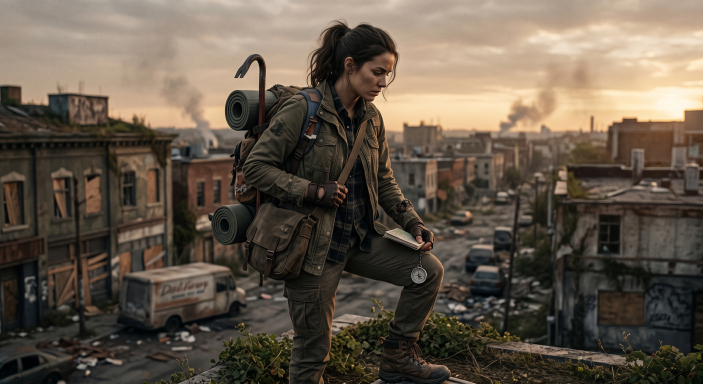
What if the zombie apocalypse happened? How could I survive?
If the movies have taught us anything, it’s that the initial panic kills far more people than the actual monsters. When the dead start walking, your biggest asset isn’t a massive arsenal—it’s situational awareness and a cold, calculating approach to logistics.
Realistically, survival breaks down into immediate crisis management and long-term sustainability. Here is your blueprint for making it through.
Phase 1: The First 24 Hours
The initial breakout will be pure, unadulterated chaos. The streets will be gridlocked, emergency services will collapse, and public panic will be at its peak. Your immediate goal is to stay out of the fray.
Phase 2: The Long-Term Essentials
Once the initial shockwave settles, survival becomes a game of resource management.
1. Water & Food
Forget foraging for gourmet meals. You need calories and hydration.
-
Water First: Learn how to harvest water from hot water heaters, toilet tanks (the upper reservoir, not the bowl), and rain collection. Stock up on unscented liquid bleach—just 2 drops per quart of clear water will kill most pathogens.
-
The Pantry: Focus on high-calorie, non-perishable items that don’t require cooking. Peanut butter, canned beans, oats, and honey are gold standard survival foods.
2. Shelter Strategy
Your current home is fine for the short term, but eventually, you may need to move.
-
Avoid the Tropes: Do not head to a grocery store or a mall. Everyone else has the same idea, turning them into combat zones.
-
Look for Elevation or Isolation: A two-story home with a destroyed staircase (replaced by a retractable ladder) is highly defensible. Alternatively, rural locations with clear lines of sight prevent you from being ambushed.
3. Gear & Weapons
Pop culture loves firearms, but in a real survival scenario, noise is a dinner bell.
-
The Ultimate Weapon: A crowbar or a splitting maul. A crowbar doesn’t require ammunition, it doesn’t jam, it kills quietly, and its primary function is actually opening locked doors and crates to scavenge resources.
-
Clothing: Ditch the heavy tactical gear. You want lightweight, bite-resistant layers. Think thick leather jackets, heavy denim, and sturdy boots. Keep your hair cut short or tied back securely so it can’t be grabbed.
The Real Threat: In a true collapse, the minor things become lethal. A simple blister can turn into a systemic infection without antibiotics. Dysentery from dirty water will kill faster than a horde. Prioritize hygiene and medical supplies above ammo.
The best places to stage a survival camp
Staging a successful, long-term survival camp requires balancing multiple critical elements: defensive geometry, natural resource availability, population density, long-term sustainability, and human navigation. The “best” location changes depending on whether you are trying to survive the chaotic first 30 days or trying to build a permanent society. Depending on your primary survival strategy, these locations offer unique tactical advantages for riding out the collapse and depend on your geographical location/immediate needs.